Blog - Concreat Holdings Philippines
CHP Blogs
lorem ipsum dolor sit amet, consectetur adipiscing elit. Duis a ante luctus, hendrerit odio a, placerat tellus. Sed interdum ex non justo ultrices, nec elementum lorem convallis
orem ipsum dolor sit amet, consectetur adipiscing elit. Duis a ante luctus, hendrerit odio a, placerat tellus. Sed interdum ex non justo ultrices, nec elementum lorem convallis
One of the biggest names in Philippine infrastructure has undergone a significant transformation.
Cemex Holdings Philippines officially became Concreat Holdings Philippines (CHP), a proudly Filipino-owned company backed by the DMCI Group. More than a name change, the transformation from Cemex to Concreat is the start of a new era for the country’s cement industry, driven by local ownership, innovation, and sustainable growth.
A new chapter in a proud legacy
Concreat Holdings Philippines, or CHP, entered a new phase when the Consunji Group, through DMCI Holdings, Semirara Mining and Power Corp., and Dacon Corp. completed the acquisition of Cemex Holdings Philippines. This milestone marked DMCI’s expansion into the cement manufacturing industry, a natural fit for a conglomerate already deeply involved in construction, real estate, mining, and power generation.
As part of the DMCI ecosystem, Concreat brings together decades of industry experience under a homegrown vision: to contribute to national progress by providing high-quality, sustainable cement solutions made by Filipinos, for Filipinos.
Cementing a stronger foundation under DMCI
The DMCI Group has long been synonymous with world-class engineering and construction in the Philippines. Integrating Concreat into its portfolio strengthens DMCI’s position across the entire infrastructure value chain, from materials production to project delivery.
This ensures that Concreat benefits from DMCI’s technical expertise, operational efficiency, and commitment to nation-building. Under new leadership, the company is leveraging DMCI’s long-standing reputation for integrity and quality to elevate local cement manufacturing.
Proudly Filipino, globally competitive
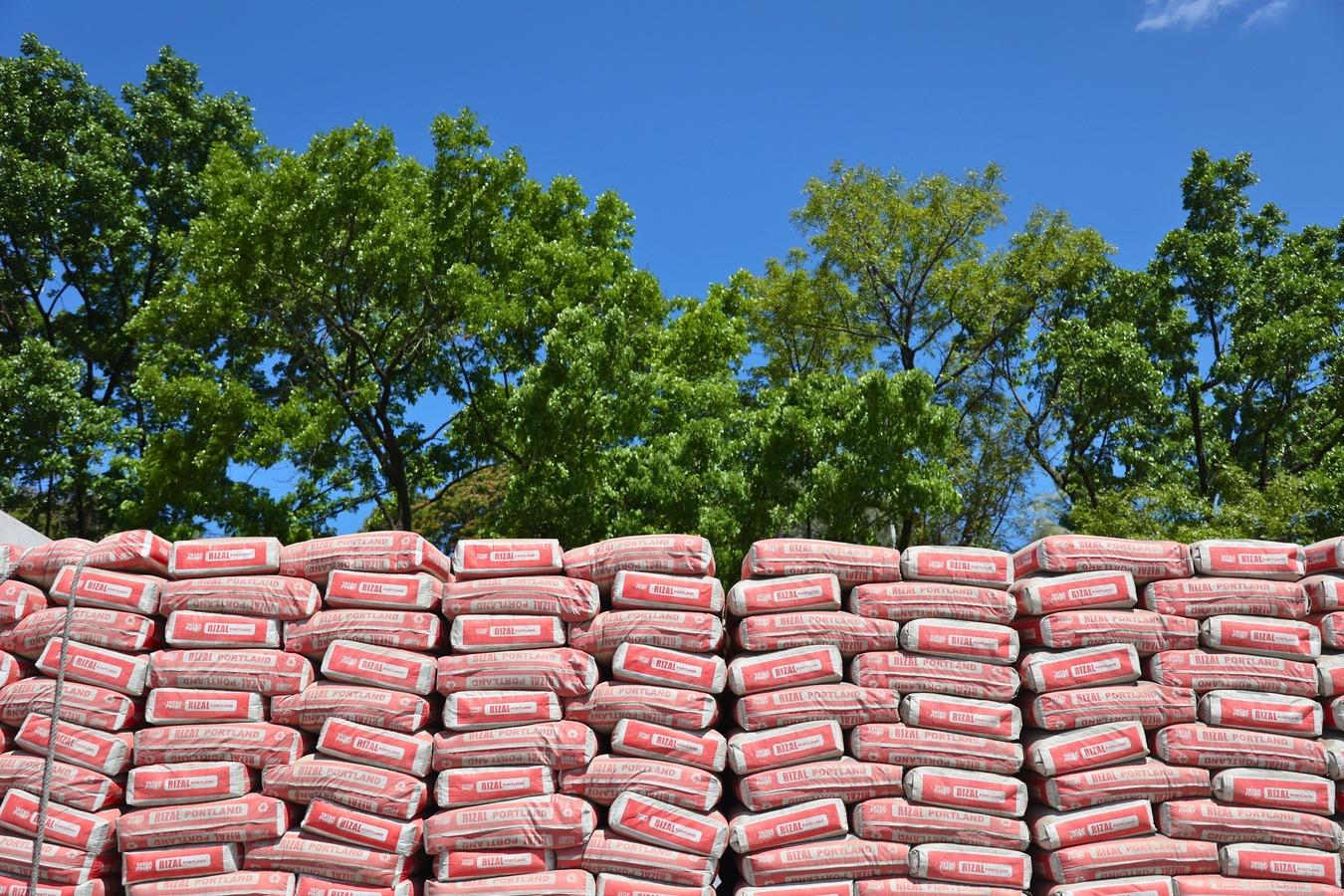
Concreat’s journey mirrors the Philippines’ industrial progress, with its origins tracing back to Rizal Cement. When Cemex entered the market, it acquired Solid Cement in Antipolo and APO Cement in Cebu, two of the country’s earliest cement plants.
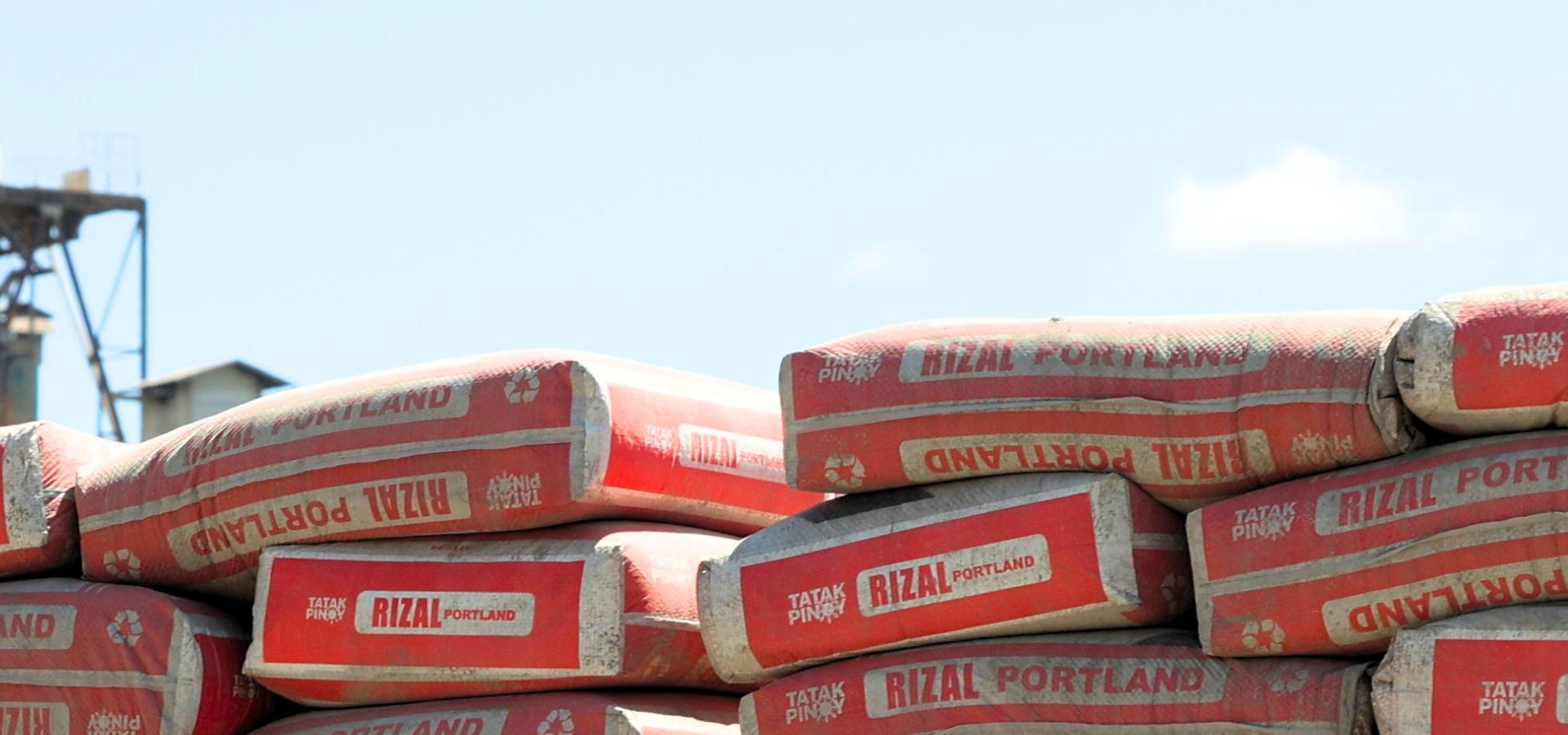
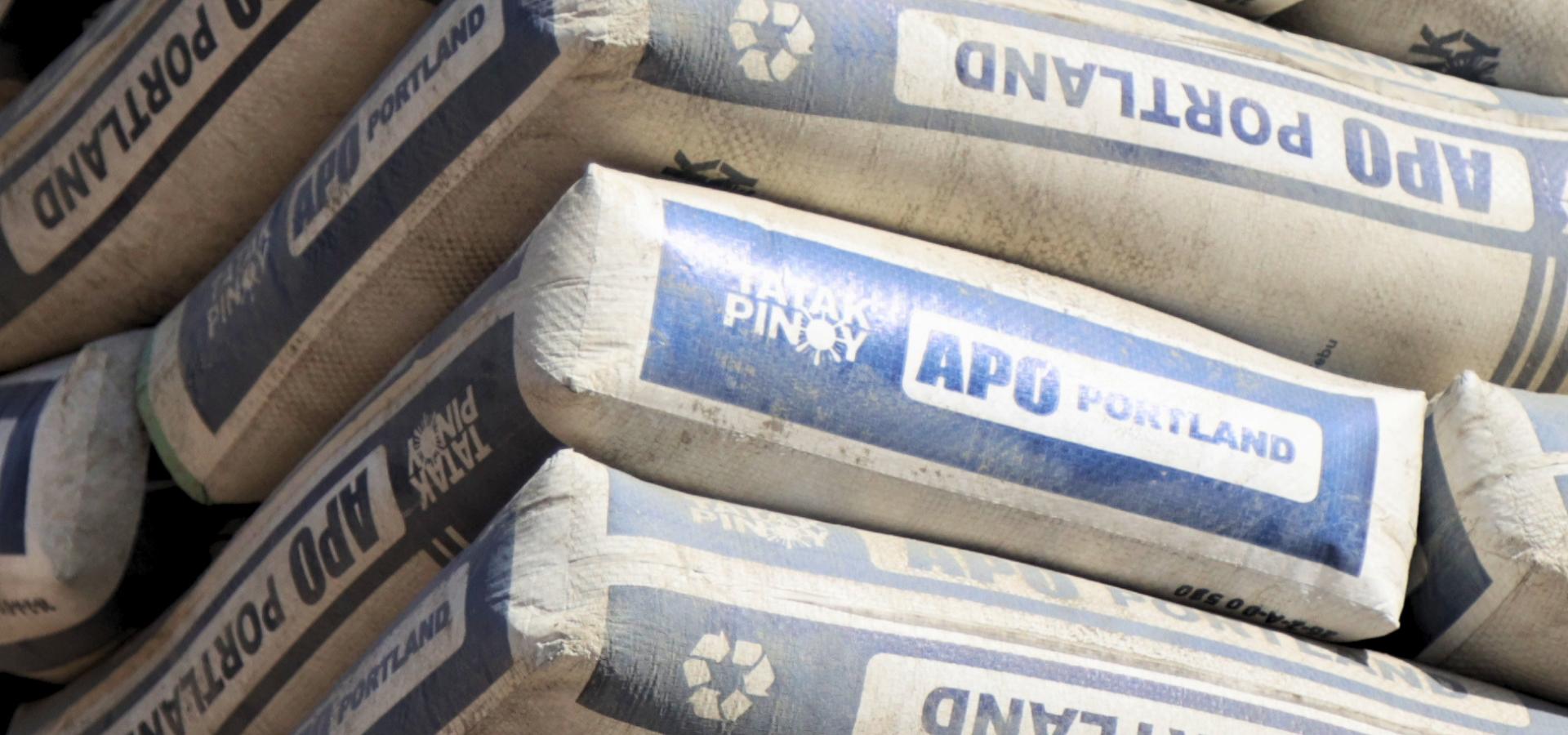
Today, those same facilities continue to anchor Concreat’s operations. Its subsidiaries, APO Cement Corporation and Solid Cement Corporation, manufacture, market, and distribute cement and building materials under the well-known APO, Island, and Rizal brands – names that have been part of the nation’s growth story for generations.
Proof of progress: Solid Cement’s new production line
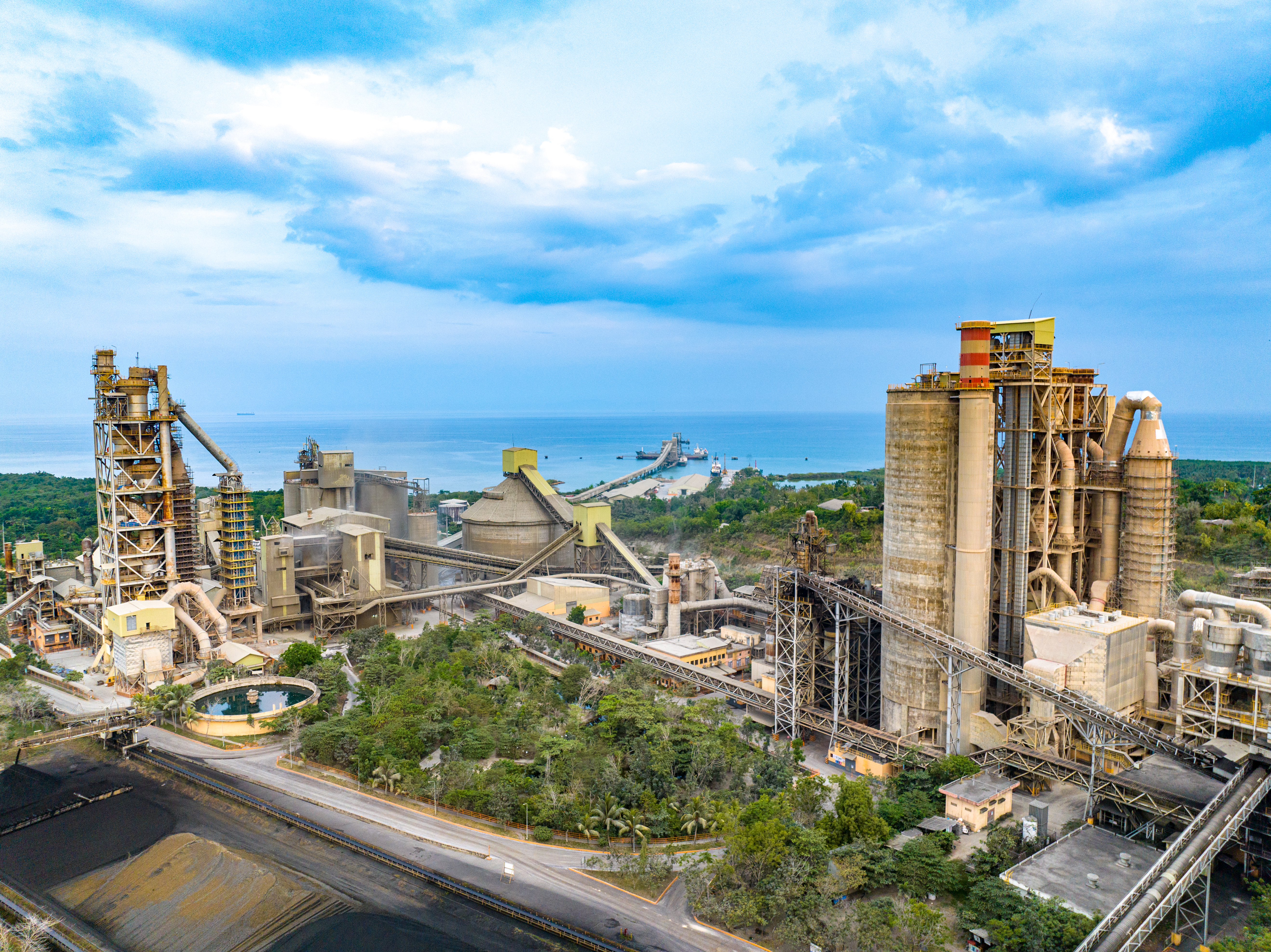
This rebrand is already backed by tangible growth. Solid Cement Corporation recently inaugurated its new production line in Antipolo, bringing its total annual plant capacity to 7.2 million tons (MT), a 26% increase from 5.7 MT. This new line strengthens domestic supply, reduces import dependence, and contributes to sustainable economic growth.
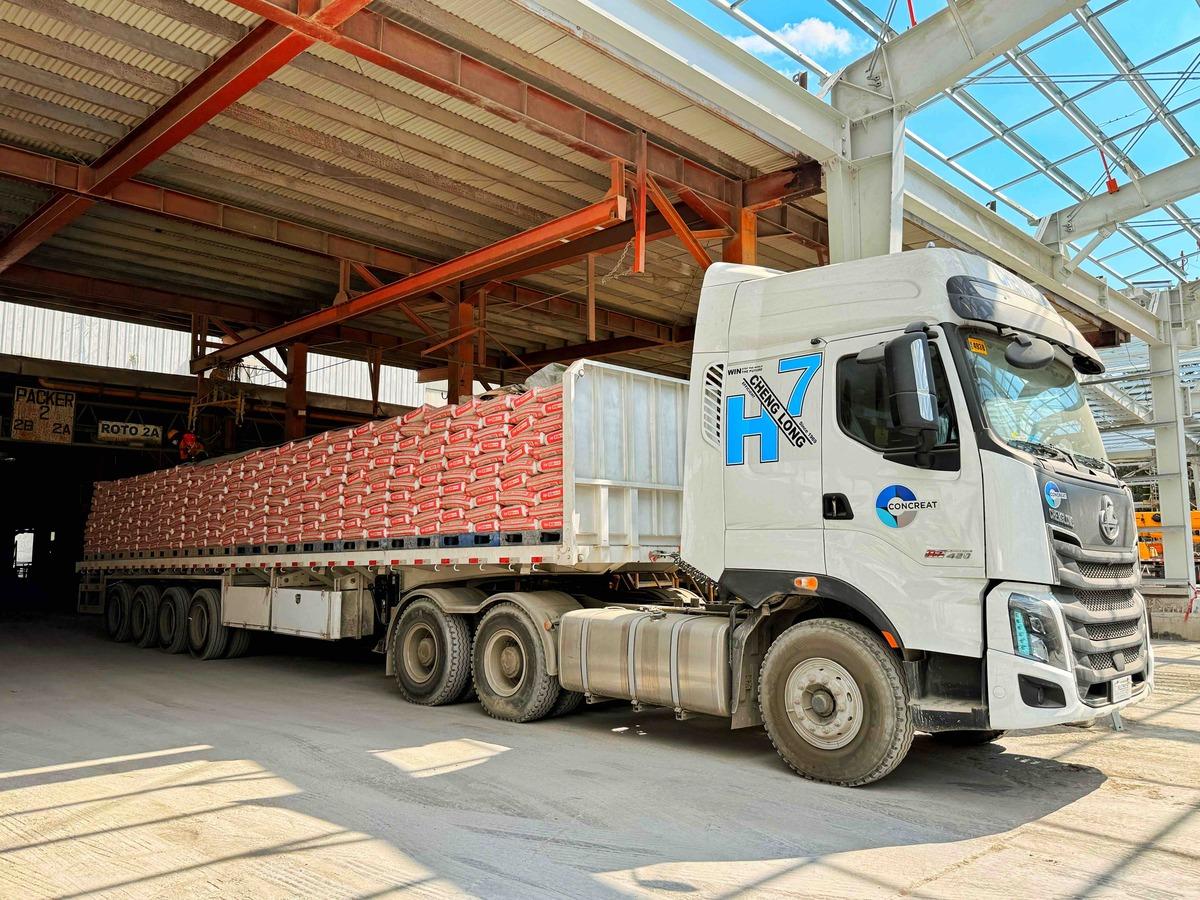
This expansion was celebrated with the launch of a fleet of 20 new trucks, marking the company’s readiness to meet the country’s rising infrastructure and housing demands. The move underscores Concreat’s momentum and its commitment to supporting national development under Filipino leadership.
Sustainability and innovation at the core
While Concreat carries a new name, its values remain steadfast, with sustainability and innovation at the heart of its operations.
Under DMCI’s leadership, Concreat will continue to adopt more efficient production methods while maintaining its commitment to environmental stewardship. It also upholds corporate governance excellence, as reflected in its multiple Golden Arrow Awards.
By combining global best practices with DMCI’s local expertise, Concreat is poised to lead the industry in sustainable cement manufacturing, reducing carbon footprint while ensuring the strength and reliability of every bag of cement it produces.
Strength in people and purpose
Beyond its plants and products, Concreat is about people. Ahead of the rebrand, the company became the first cement manufacturer in the Philippines certified as a Great Place to Work®, a recognition that reflects its inclusive culture and employee-centered practices.
Under the DMCI Group, this culture of care continues. With Filipino leadership at the helm, Concreat is building a workforce that’s deeply aligned with its mission: to empower communities, enable infrastructure, and create opportunities for growth across the archipelago.
Looking ahead: Building with purpose
With a strengthened foundation under DMCI, Concreat Holdings Philippines is ready for the future. As part of its long-term vision, Concreat aims to play a key role in shaping the country’s next generation of infrastructure – from roads and bridges, to homes and schools – all built on the reliability of its cement brands.
Cemex Holdings Philippines is now Concreat Holdings Philippines, proudly owned and managed by the DMCI Group. This new identity signals continuity – a commitment to the same trusted quality, now strengthened by local ownership and purpose-driven leadership.
As Concreat moves forward, it carries a legacy of craftsmanship, the trust of its customers, and the momentum of a group built on engineering excellence. From Cemex to Concreat, the foundation is stronger than ever, and the future is proudly Filipino.
Every bag of APO, Island, or Rizal Cement represents more than just decades-long craftsmanship – it carries a legacy of trust built with communities across the country.
At Concreat Holdings Philippines (CHP), this trust extends far beyond construction sites. It’s shaped through action: by standing with communities in times of crisis, creating sustainable livelihoods, and helping families build stronger foundations for the future.
Today, Concreat’s commitment to nation-building continues through its corporate social responsibility (CSR) programs. From Rizal to Cebu, these programs highlight how Concreat’s heritage brands – namely APO, Island, and Rizal Cement – don’t just build structures; they help build lives.
Building hope in times of crisis: APO Cement’s relief operations

When a powerful earthquake struck northern Cebu, Concreat’s response was immediate and heartfelt. In true bayanihan spirit, the APO Cement team rallied together under the banner of #OneConcreat to bring urgent aid to affected families in Bogo City and the municipalities of San Remigio and Medellin.
APO Cement employees, including their Emergency Response and Security Teams, Community Relations Officer, and company nurse, were among the first responders on the ground. A diverse group of volunteers joined later, including more APO employees, community members, contractors, scholars, and even daycare teachers from the APO Day Care Center.
Together, they repacked and delivered food, water, and other essentials to hundreds of displaced residents. Others sent in-kind and monetary donations, ensuring no affected household was left behind. This collective effort served as a reminder that Concreat’s strength lies in its people – in its employees and partners who show up when it matters most.
From farmers to entrepreneurs: The LECA juice story

Beyond disaster response, Concreat is helping local communities secure a stable source of income through livelihood programs that promote long-term sustainability. One standout initiative is the LECA Juice Livelihood Program in Naga City, Cebu.
The project began when Concreat helped the Tinaan Neighborhood Multi-Purpose Cooperative (TNMPC) through the Social Development and Management Program (SDMP) of its subsidiary, Apo Land and Quarry Corporation (ALQC). Seeing its growth potential, Concreat helped the cooperative, a group of farmers originally engaged in livestock farming, transition into lemongrass calamansi (LECA) juice production.
The company’s support went beyond funding. Concreat helped construct a dedicated production area that enabled members to properly process and bottle their products. It also provided essential equipment, including a heavy-duty juicer, to improve production efficiency and ensure consistent quality. In addition, members received skills and financial literacy training to help them manage operations effectively and sustain the business for the long term.
What started with just 20 members has now grown to around 100, with the cooperative’s LECA juice available both in local stores and the APO Cement plant’s canteen. This small but thriving business has given farmers and their families a stable source of income. What began as subsistence farming is now sustainable entrepreneurship.
For Concreat, programs like these demonstrate that community development is most impactful when it’s locally driven. When people see the fruits of their own hands, it further builds pride and resilience.
Investing in education: Solid Cement’s story of support

In Antipolo, Solid Cement, a subsidiary of Concreat Holdings Philippines, Inc., is making education more accessible through the Aral Tayo Antipolo Program, a literacy and livelihood initiative designed to strengthen early-grade learning while supporting local educators.
The program benefited 360 learners from Grades 1 to 3 across nine public schools in Antipolo City. Implemented in partnership with the City of Antipolo, the Department of Education, and Chalkboard, Inc., it improved foundational literacy among young students while providing sustainable livelihood opportunities for teachers and facilitators.
The program commenced recently with the graduation of these young learners who have now proudly become readers, reinforcing Concreat’s commitment to community development that goes beyond infrastructure. As Antipolo City and Concreat move forward together, Aral Tayo Antipolo stands as a strong example of how education and livelihood can be built hand in hand with every bag of cement we produce.
Building sustainable partnerships
Concreat’s CSR approach is centered on collaboration, working closely with local governments, private partners, schools, and community leaders. Each program aligns with the community’s real needs, whether in education, environment, or livelihood.
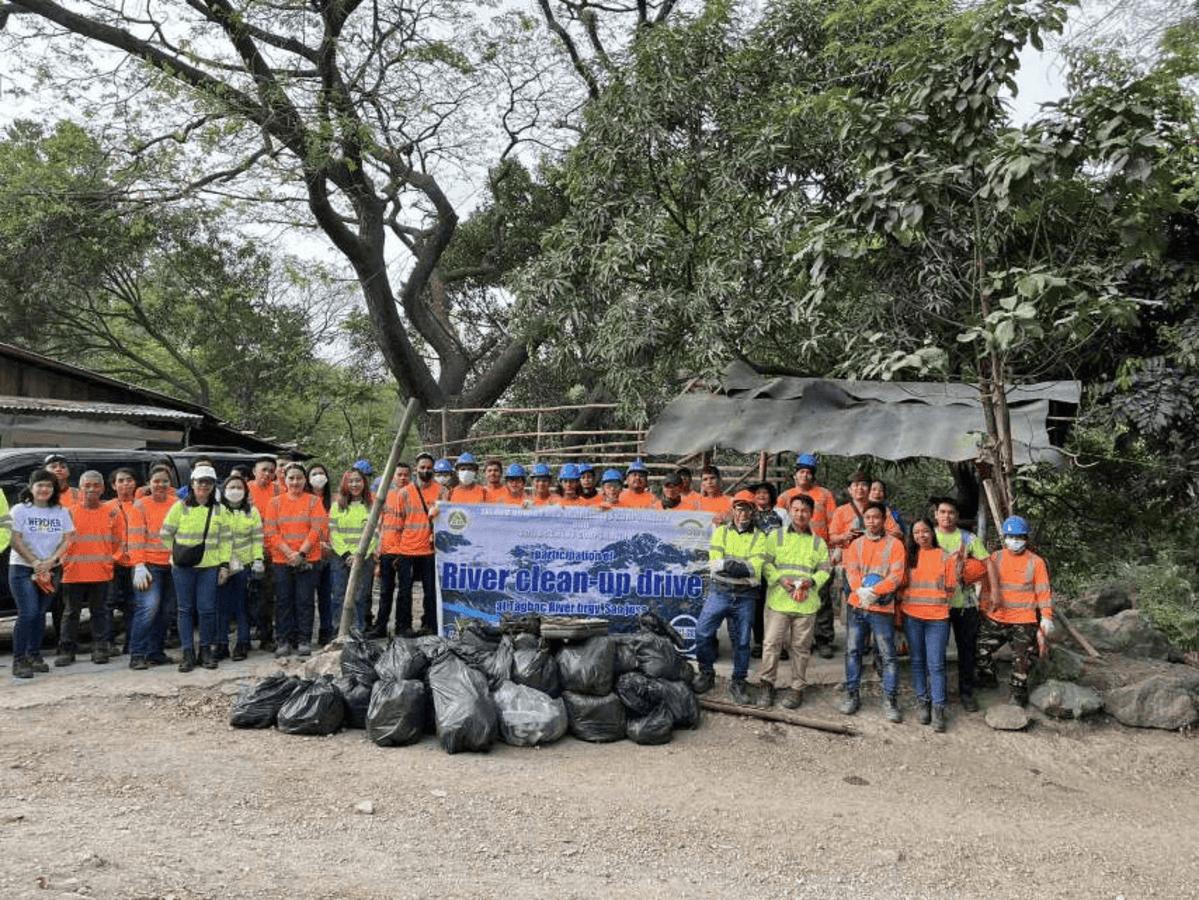
Across APO and Solid Cement communities, Concreat promotes environmental stewardship through tree planting, waste management training, and river clean-up drives. These initiatives are not just one-time programs; they are integrated into the daily operations of the plants, turning sustainability into culture.
Cementing a stronger future
Concreat’s heritage is built on trust, collaboration, and shared progress. APO, Rizal, and Island Cement have long been part of the Filipino landscape, from the homes we live in to the roads that connect us. But through Concreat’s CSR initiatives, these names now stand for something even greater: a commitment to build stronger communities across generations.
Whether it’s providing emergency relief in Cebu, helping farmers in Naga become entrepreneurs, or supporting students in Rizal, Concreat Holdings Philippines is redefining what it means to be a developer of communities.
Every cement bag carries the foundation of progress – the roads that connect us, the homes that shelter us, and the cities that continue to rise. But for Concreat Holdings Philippines (CHP), true progress means building a future that is both strong and sustainable.
As a proudly Filipino company under the DMCI Group, Concreat is taking bold steps to protect the environment and support local communities through cleaner, greener practices – from waste management partnerships to coastal clean-ups and co-processing innovations.
A green challenger for a changing world
Concreat continues to manufacture high-quality cement brands – APO, Island, and Rizal cement – while championing responsible business practices that promote proper environmental stewardship, such as waste management and circular economy practices.
Every project and partnership reflects one goal: to build a healthier, safer, and more resilient Philippines. Whether it’s working with local governments on waste diversion or protecting marine habitats, Concreat is redefining what it means to be a cement company in the modern age, one that’s as committed to people and the planet as it is to progress.
Tackling the country’s waste challenge
Did you know? The Philippines generates 14.6 million tons of municipal solid waste each year, enough to fill a small island. A large portion of this waste ends up in dumpsites, where it poses serious health and environmental risks to nearby communities.
Left unmanaged, these wastes release toxic fumes and gases that contribute to global warming. They contaminate water sources, clog waterways, and increase the frequency of flooding. For Concreat, addressing this challenge is part of our responsibility as a company that builds for the long term.
That’s why Concreat is partnering with local governments and private organizations to find sustainable, scalable ways to manage waste and turn what was once a problem into part of the solution.
Partnering for cleaner cities: Responsible waste management with CDO Foodsphere and Binangonan LGU

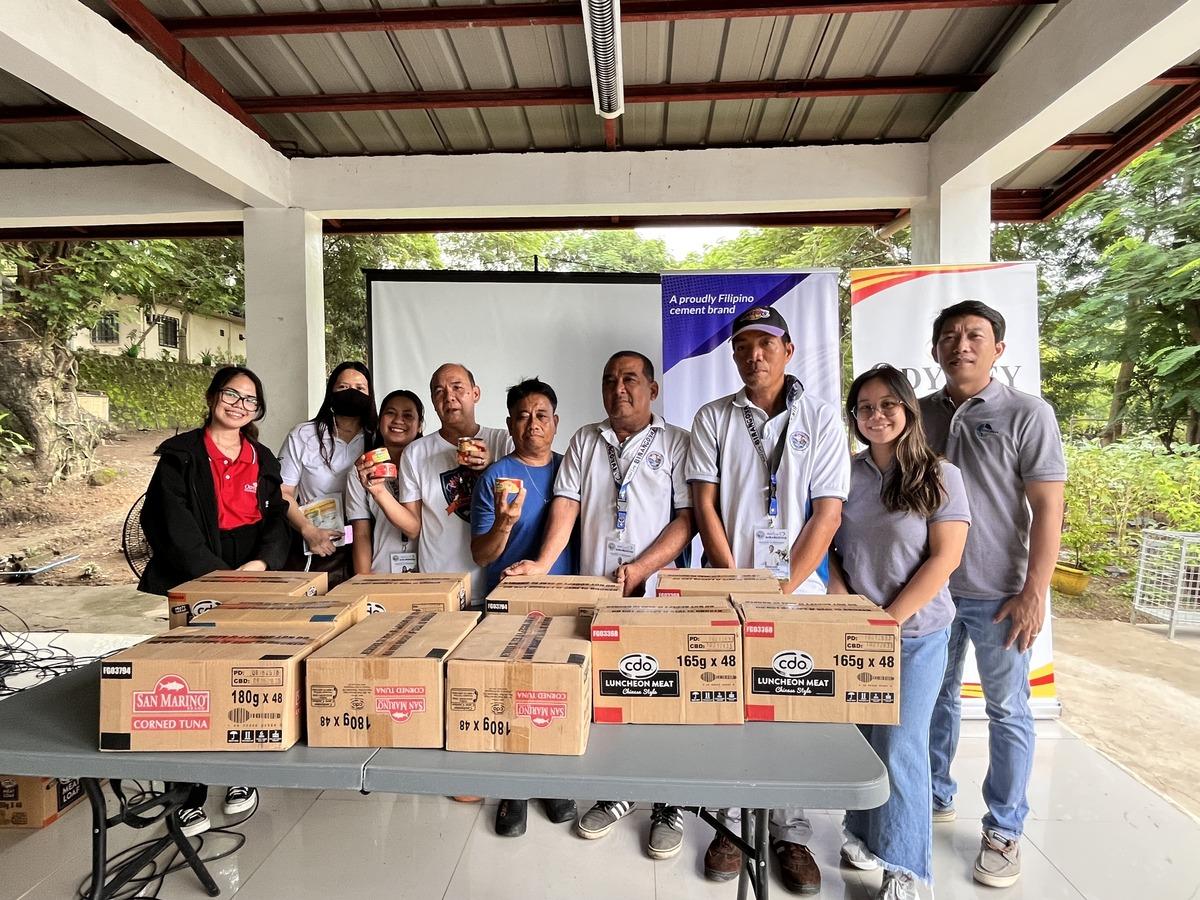
Concreat strengthened its partnerships with CDO Foodsphere and the local government unit (LGUs) of Binangonan, Rizal, to promote responsible waste management. These partnerships aim to reduce reliance on landfills and encourage people to segregate and properly dispose of their waste.
Through these collaborations, Concreat helps local authorities collect and transport residual and non-recyclable waste from communities to its cement plants for co-processing, an eco-friendly alternative to conventional waste disposal. The initiative helps clean up cities, supports local employment, and raises awareness of sustainable waste practices among communities.
Co-processing: Turning waste into worth
At the heart of Concreat’s sustainability strategy is co-processing, a proven waste-management technology that converts waste into alternative fuels and raw materials for cement production.
Instead of letting plastic, rubber, and other residual waste sit in landfills, co-processing integrates them into the cement manufacturing process. Inside Concreat’s high-efficiency kilns – operating at temperatures around 1,500°C – waste materials are safely broken down leaving no harmful residues behind.
The result? A dual benefit for the environment: reduced landfill volume and methane emissions, as well as lower fossil fuel consumption and carbon footprint in cement production.
Concreat’s co-processing facilities follow a five-step process to ensure safe, compliant, and sustainable waste handling:
-
Evaluation: Qualified waste streams undergo chemical analysis to determine suitability.
-
Transportation: Waste is transported directly from the partner’s site to Concreat’s plant by trained drivers.
-
Pre-treatment: Materials are shredded, blended, and refined to prepare them for co-processing.
-
Co-processing: Waste is safely processed in controlled conditions inside cement kilns.
-
Certification: Partners receive documentation validating the proper disposal of their waste in an ISO-certified facility.
By providing end-to-end traceability and assurance, Concreat ensures that every kilogram of waste is managed responsibly and contributes to the Philippines’ journey toward zero waste.
Beyond cement: A culture of environmental stewardship
At Concreat, sustainability is a mindset that extends beyond our production lines and shapes how we engage with communities and the environment.
Across our sites, employees regularly participate in coastal clean-up drives, removing plastic waste and debris that pollute marine ecosystems. These efforts are tangible expressions of Concreat’s mission to restore and protect the natural environments that sustain Filipino communities.
In collaboration with partner organizations, Concreat also conducts educational programs to promote proper waste segregation and recycling among residents, students, and local businesses. Sustainability starts with awareness, and every small action can ripple into lasting impact.
Empowering communities through circular solutions
Concreat’s partnerships and programs also create shared value for communities. Waste collection and segregation initiatives provide livelihood opportunities for local workers, while cleaner surroundings improve public health and safety.
By integrating sustainability into our operations and outreach, Concreat demonstrates that business success and environmental stewardship can go hand in hand.
Building a better future, one project at a time
As infrastructure needs grow nationwide, Concreat remains focused on delivering reliable products and solutions that support long-term progress. Co-processing and strategic partnerships are helping optimize resources, improve efficiency, and enhance operations across its facilities.
Beyond producing cement, Concreat is committed to building a stronger and more resilient Philippines – one where industries, communities, and local economies grow together.